After Stardust Racers: The Reopening Playbook Every Theme Park Operator Needs
Published on October 2, 2025 by MoreMeets Team
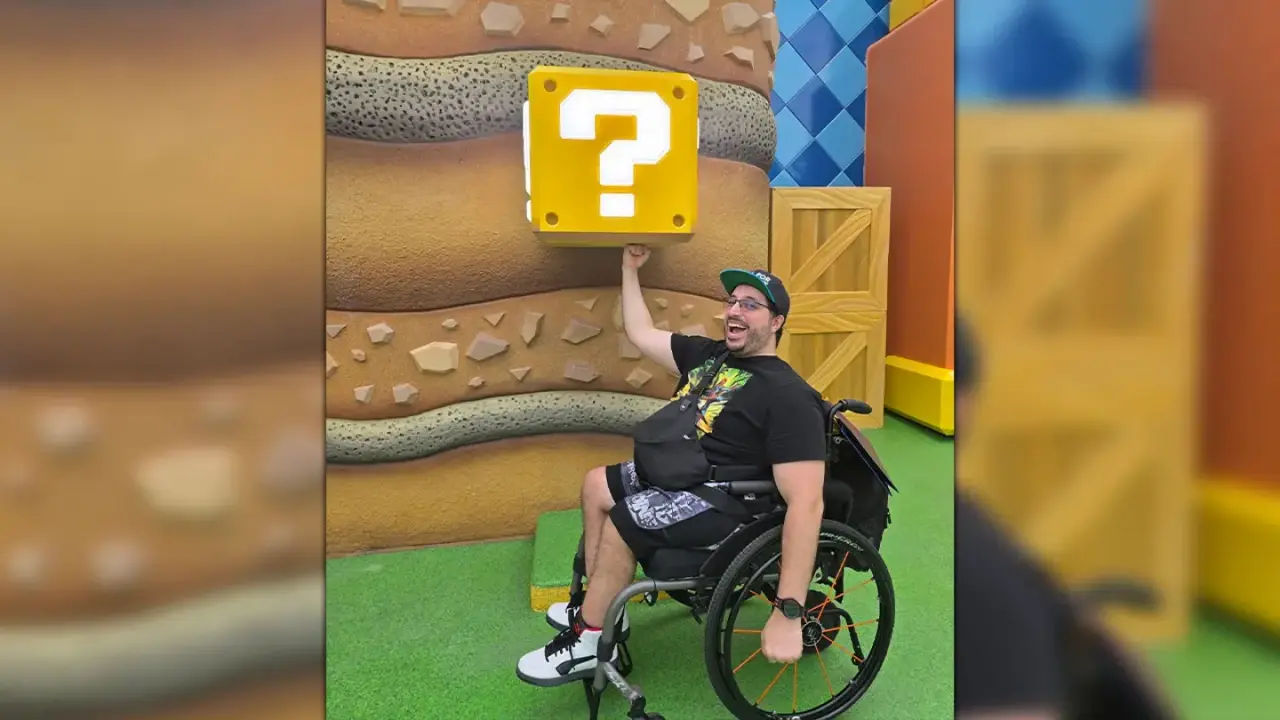
The reopening of the Stardust Racers ride at Universal's Epic Universe, following a tragic guest fatality, is a moment of critical importance for the entire theme park industry. The incident, and the subsequent investigation, underscores a vital truth: reopening a ride is not just a technical fix. It requires a comprehensive overhaul of the operational and human systems surrounding the attraction to restore public trust and prevent a repeat incident.
Simply stating that a ride meets manufacturer specifications is no longer enough. Operators must now demonstrate a proactive, documented, and verifiable safety culture. This article provides a practical playbook for park operators on the three critical lenses through which reopening safety must be viewed.
1. The Technical Lens: Beyond Manufacturer Testing
The manufacturer's tests are the baseline, not the finish line. A robust reopening protocol must include independent verification.
Before reopening, an independent, certified engineering firm must conduct a full audit of the ride's mechanical and control systems. This report, which should be a condition of reopening, provides an unbiased validation of the ride's safety. Our Theme Park Operations Pack includes a 'Vendor & Audit Management' checklist to formalize this process.
The standard maintenance schedule is a starting point. After an incident, the frequency of checks on critical components (in this case, restraints and sensors) must be increased. This should be documented in a revised 'Preventive Maintenance Calendar'.
2. The Operational Lens: Changing How the Ride is Run
An incident often reveals flaws not just in the hardware, but in the day-to-day operating procedure.
Update the dispatch SOP to include a mandatory, two-person verification for any guest near the boundaries of the rider requirements. This 'dual sign-off' for marginal cases adds a critical human layer of safety. Furthermore, install clear, unambiguous signage at the queue entrance detailing all rider eligibility requirements (height, weight, medical conditions).
3. The Human Factor Lens: Training & Response
The final layer of safety is always a well-trained and empowered team.
All ride operators must be re-certified on the new operating procedures, with a focus on guest screening and handling emergency stops. Conduct mock drills for various scenarios, including guest evacuation and medical response, to ensure the team can perform flawlessly under pressure.
Conclusion: Documentation is Your Due Diligence
In the aftermath of an incident, your park's greatest defense—legally and reputationally—is its ability to produce clear, verifiable records that prove due diligence. Every check, every drill, every piece of training must be logged. Reopening a ride is a promise to the public that you have not just fixed a part, but have improved the entire system. Our Theme Park Operations Pack provides the audit-ready Excel templates to build and prove that system.
Continue Your Journey to Excellence
The concepts in this article are operationalized in the following toolkit:
Theme Park Operations Pack
Premium Pack
Explore The Full Toolkit