Could a Checklist Have Prevented the Anupamaa Set Fire? A Production Safety Post-Mortem
Published on September 29, 2025 by MoreMeets Team
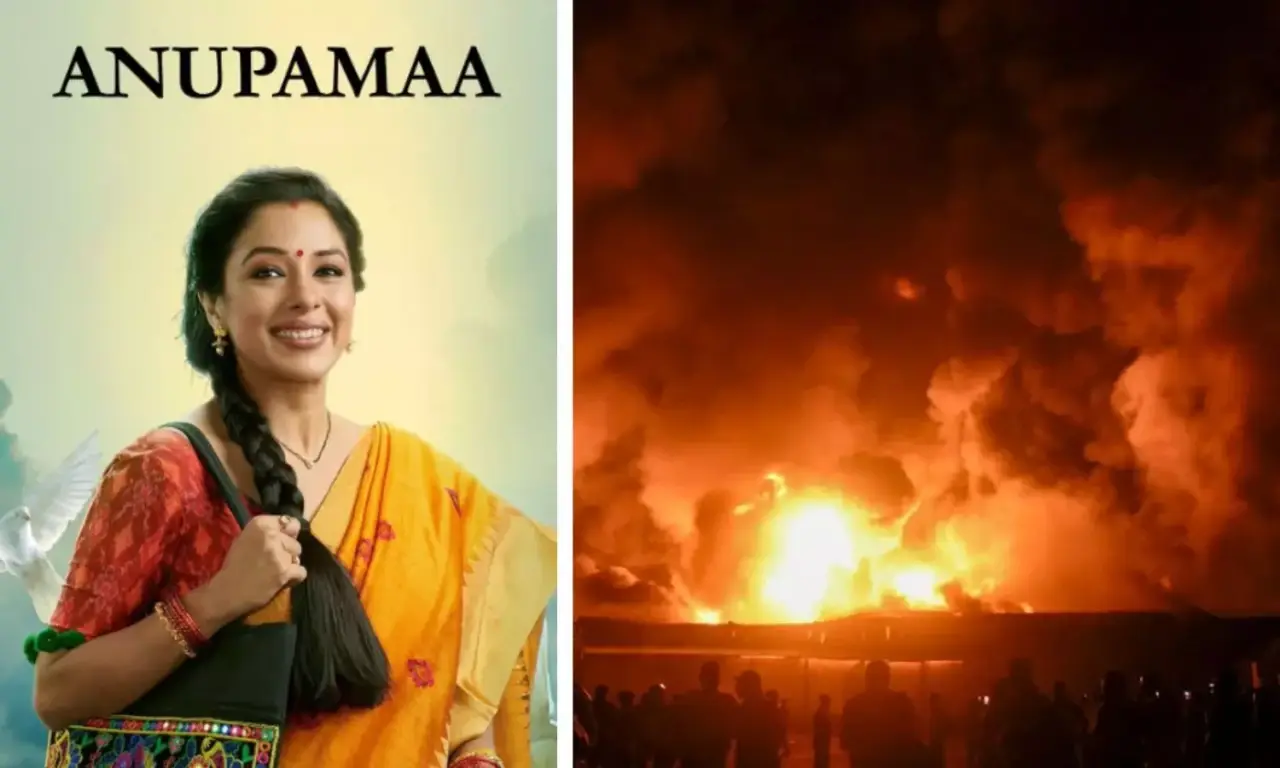
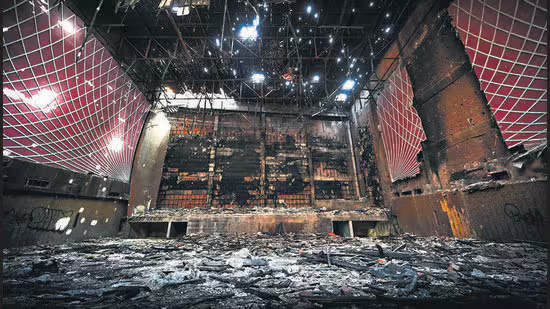
In early 2023, a major fire broke out on the set of the popular TV show "Anupamaa." While thankfully no casualties were reported, the incident resulted in significant financial loss and production delays. For production houses and line producers, this event serves as a critical case study. Set fires are not a random act of fate; they are almost always a predictable outcome of gaps in operational safety procedures.
Why Studio Fires Are a Systemic Risk
A film set is a perfect storm of fire risk. High-wattage lighting, temporary and often flammable set decorations, overloaded electrical circuits, and exhausted crews create an environment where a small spark can become an inferno in minutes. The key to prevention is not hope, but a disciplined, checklist-driven safety culture.
The most common cause of set fires. Temporary wiring, daisy-chained extension cords, and generators not correctly rated for the load create a massive fire hazard. A simple SOP like a Daily Electrical Safety Walk, where a gaffer or safety officer physically inspects and signs off on the electrical setup before crew arrival, is the first line of defense.
Plywood, fabrics, and plastics used in set construction are highly flammable. A professional production requires a Temporary Decoration Certification process. This means all materials must either be inherently flame-retardant or treated with a fire-retardant spray, with certificates kept on file for fire marshal inspection.
At the end of a long shoot day, who is responsible for powering down the main lighting grid? Who ensures all high-powered equipment is unplugged? A Set Opening & Closing Fire Lockdown SOP assigns this responsibility to specific roles (e.g., Gaffer, Key Grip), creating a verifiable chain of command for powering down the set safely.
Can a fire engine actually get to your set? Are fire exits clearly marked and, more importantly, unobstructed by equipment or props? An Emergency Access & Contact Map, posted at every entrance, ensures that in the chaos of a real fire, first responders know exactly where to go and who to contact.
The Real-World Benefits of SOPs
Implementing these checklists isn't just about preventing a fire. It has direct financial benefits. Insurance providers often offer lower premiums for productions that can demonstrate a robust, documented safety program. More importantly, it ensures business continuity. The cost of a single day's shoot being cancelled due to a preventable incident far exceeds the cost of implementing these simple, effective procedures.
Continue Your Journey to Excellence
The concepts in this article are operationalized in the following toolkit:
Film & OTT Production Pack
Premium Pack
Explore The Full Toolkit